 Valley Mobile Auto Glass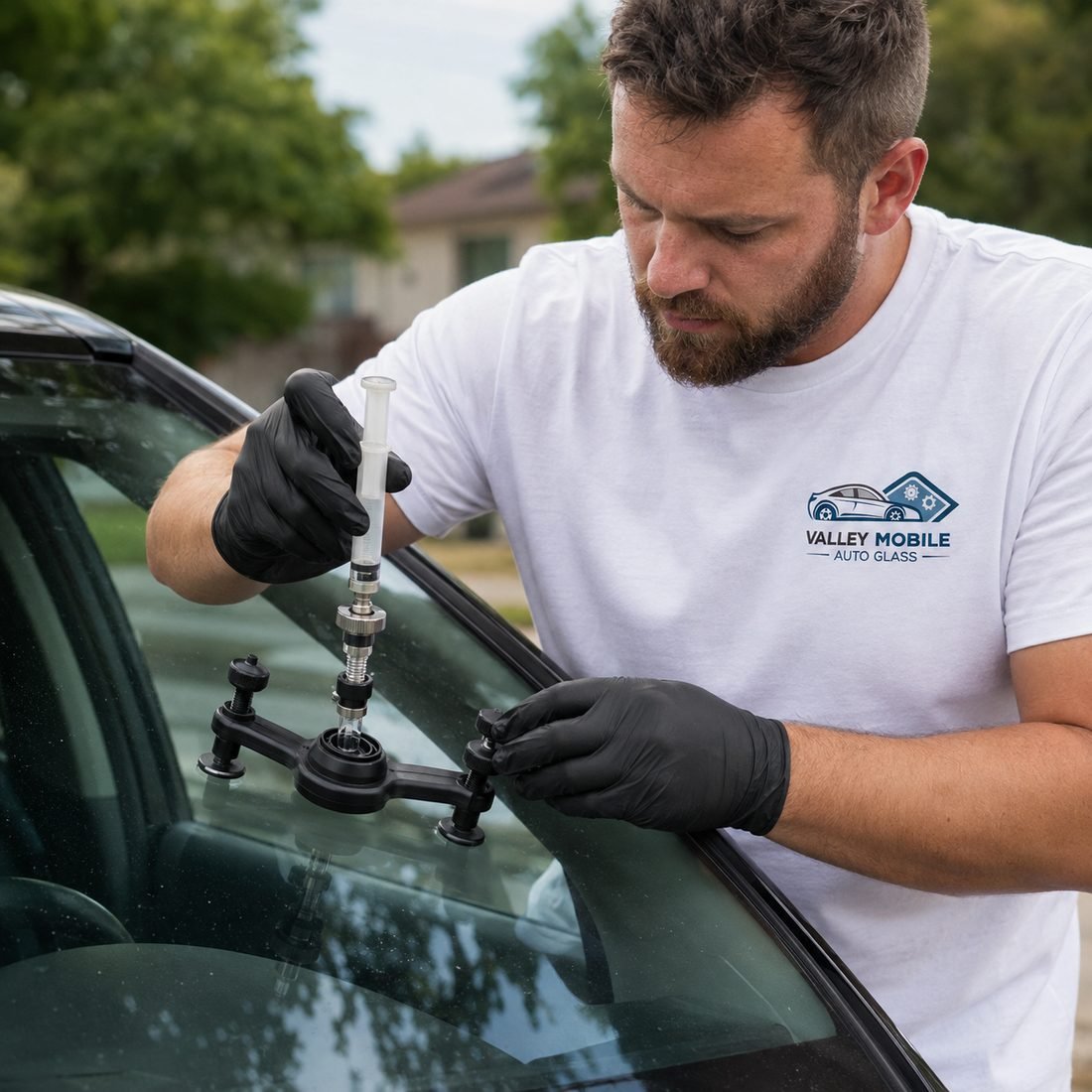
Complete Guide to Auto Glass and Windshield Technology
Recommended URL:https://www.valleymobileautoglass.com/auto-glass-wiki/
Auto glass refers to vehicle glazing designed for visibility, weather protection, occupant protection, structural support, and integration with vehicle systems. Modern automotive glass includes windshields, side windows, rear glass, quarter glass, vent glass, sunroofs, and panoramic roof panels. Depending on location and function, vehicle glazing may use laminated glass, tempered glass, coatings, interlayers, heating elements, antennas, camera brackets, or sensor zones. This guide from Valley Mobile Auto Glass explains the main types of auto glass, materials, windshield construction, repair and replacement principles, safety standards, ADAS calibration, maintenance, manufacturing, and current glazing technology.
Get a Free Auto Glass Quote
Send your vehicle and glass details and we’ll confirm the service, pricing, and an available mobile appointment.
- Free, no-obligation quote
- Mobile service at your location
- Same-day appointments when available
Prefer to talk? (818) 224-7676 Monday - Sunday 7 AM-9 PM
What Is Automotive Glass?
Automotive glass is engineered glazing used throughout a vehicle. It supports clear visibility, shields the cabin from weather and debris, contributes to aerodynamics, and can interact with structural and electronic systems. Modern glass may also carry forward-facing cameras, rain sensors, antennas, defroster grids, heads-up display areas, and other components.
Types of Auto Glass
Windshield Glass
Windshields are usually laminated. Two glass sheets are bonded around a plastic interlayer, commonly PVB. The laminate helps the glass remain bonded after impact and reduces the chance of large loose fragments entering the cabin.
Side Window Glass
Side windows commonly use tempered glass, which is heat-treated to break into smaller pieces when shattered. Some vehicles use laminated side glass for acoustic control, security, or other vehicle-specific requirements.
Rear Glass
Rear windows are commonly tempered and may contain defroster grids, antennas, heating elements, or other embedded electrical features.
Quarter Glass
Quarter glass is a smaller fixed pane located near the front or rear side of the vehicle. Its shape and mounting method are specific to the body design.
Vent Glass
Vent glass refers to smaller side panes that may be fixed or movable, depending on the vehicle design.
Sunroof and Panoramic Roof Glass
Sunroof and panoramic roof panels may use tempered or laminated glazing. Large panoramic systems can also include coatings, tinting, shading technology, or electronic controls.
Auto Glass Materials
Laminated glass combines glass layers with an interlayer such as PVB. It is used primarily for windshields and, on some vehicles, side glass.
Tempered glass is strengthened through controlled heating and cooling. It is widely used for side and rear windows.
PVB forms the bonding layer in many laminated windshields. Acoustic interlayers can reduce cabin noise. Solar-control coatings and infrared-reflective treatments reduce selected solar energy entering the cabin. Ceramic frit is the dark printed band often seen around windshield edges; it can help protect bonding areas and provide a finished border. Additional glass coatings may support water management, heat control, tinting, or other functions.
How Automotive Glass Is Manufactured
Automotive glazing begins with flat glass produced through float-glass manufacturing. The sheet is cut to size, shaped, heated, and processed for its intended application.
Tempered glass is heated and rapidly cooled to create surface compression. Laminated glass follows a different process: shaped glass layers are assembled around an interlayer and bonded, commonly through heat, pressure, and autoclaving. Ceramic frit may be applied before final processing. Finished panels are inspected for dimensions, optical quality, defects, and required vehicle-specific features.
Windshield Construction and Layers
Outer Glass Layer
The outer layer faces road debris, weather, and external impact.
PVB or Similar Interlayer
The interlayer bonds the two glass sheets and helps retain broken pieces after impact.
Inner Glass Layer
The inner layer faces the passenger compartment and completes the laminated structure.
Because the layers remain bonded through the interlayer, a damaged laminated windshield often cracks while staying largely intact.
Features of Modern Windshields
Modern windshields can be vehicle-specific components rather than simple clear glass. Features may include rain sensors, light sensors, forward-facing cameras, lane departure camera zones, automatic emergency braking cameras, heads-up display areas, heated sections, wiper de-icer zones, acoustic layers, solar-control treatments, infrared-reflective coatings, embedded antennas, humidity sensors, VIN windows, camera brackets, and mirror mounts.
Replacement glass must match the vehicle’s installed equipment because camera position, brackets, coatings, display zones, and sensor areas can differ between trims and model years.
Specialized Windshield Types
Acoustic windshields use sound-reducing construction. Heated windshields include electrical heating technology. Solar-control and infrared-reflective windshields manage solar heat. HUD-compatible windshields are designed for heads-up display projection. ADAS-compatible windshields accommodate camera and sensor requirements.
OEM glass is supplied under the vehicle manufacturer’s original equipment system. OEE glass is produced to match relevant original-equipment specifications without being supplied as the automaker-branded part. The correct choice depends on vehicle requirements, installed technology, specifications, and replacement needs.
Windshield Repair
Windshield repair stabilizes certain localized damage by introducing repair resin into the break and curing it, typically with ultraviolet light.
Common Repairable Damage
Potentially repairable damage can include:
- Bullseye chips
- Star breaks
- Combination breaks
- Small stone chips
- Some short cracks
Factors That Affect Repairability
Repairability depends on damage size, depth, number of impact points, location, driver line of sight, distance from the windshield edge, contamination, and previous repair attempts. A repair decision should consider the complete damage pattern rather than a single universal size limit.
Windshield Replacement
Replacement may be required for long cracks, deep damage, edge cracks, multiple impact points, shattered glass, damage affecting visibility, breaks extending through multiple layers, or damage creating structural concerns.
A typical replacement involves identifying the correct glass, removing related trim where necessary, removing the damaged windshield, preparing the bonding area, applying automotive urethane, setting the replacement glass, reinstalling components, checking fit and sealing, confirming adhesive cure requirements, and completing ADAS calibration when required.
Auto Glass Replacement Process
A standard replacement sequence commonly includes:
- Vehicle and glass identification
- Removal of trim or moldings where required
- Removal of damaged glass
- Bonding-surface preparation
- Automotive urethane application
- Replacement-glass positioning
- Component reinstallation
- Seal and fit inspection
- Safe-drive-away requirement confirmation
- ADAS calibration where applicable
Exact procedures depend on the vehicle, glass design, adhesive system, and manufacturer requirements.
Auto Glass Repair and Replacement Tools
Windshield Repair Tools
Common repair equipment includes resin injectors, repair bridges, UV curing lamps, carbide probes, vacuum or pressure systems, pit polish, and windshield repair resin. These tools are used to clean, stabilize, fill, cure, and finish suitable damage.
Replacement Tools
Replacement equipment can include cold knives, wire removal systems, power cut-out tools, suction cups, glass setting tools, urethane applicators, primers, molding tools, and personal protective equipment. Each tool supports controlled removal, bonding preparation, glass handling, or installation.
Automotive Urethane and Bonding Systems
Automotive urethane bonds a windshield to the vehicle body. The adhesive system must provide suitable bond strength while remaining compatible with the glass, body surface, primer system, and installation procedure.
Cure characteristics vary by adhesive. Safe-drive-away time can depend on urethane formulation, temperature, humidity, vehicle conditions, and installation requirements. Primer use and surface preparation also depend on the bonding system specified for the job.
Auto Glass Safety Standards
FMVSS 205
FMVSS 205 addresses glazing materials used in motor vehicles and establishes requirements relevant to automotive glazing performance and use.
ANSI/SAE Z26.1
ANSI/SAE Z26.1 is associated with safety specifications and performance requirements for vehicle glazing materials.
FMVSS 212
FMVSS 212 addresses windshield mounting performance in applicable crash conditions.
FMVSS 216
FMVSS 216 addresses roof-crush resistance. Windshield installation can relate to the broader structural system of a vehicle where the windshield and body contribute to designed crash performance.
AGSC / AGRSS Installation Practices
Auto Glass Safety Council installation practices address areas such as technician procedures, adhesives, preparation, replacement methods, and safe installation principles.
What Is ADAS?
Advanced Driver Assistance Systems, or ADAS, use cameras, sensors, vehicle controls, and software to support driver-assistance functions. Common examples include:
- Forward Collision Warning
- Automatic Emergency Braking
- Lane Departure Warning
- Lane Keeping Assistance
- Adaptive Cruise Control
- Traffic Sign Recognition
- Certain driver-monitoring functions
A forward-facing camera is often mounted near the upper center of the windshield. Because its viewing angle is linked to windshield position and camera mounting geometry, windshield replacement can affect calibration requirements.
ADAS Calibration After Windshield Replacement
Calibration restores the specified relationship between a windshield-mounted camera and the vehicle’s driver-assistance systems when required by manufacturer procedures.
Static Calibration
Static calibration uses stationary targets, measured distances, controlled positioning, and specified workshop conditions.
Dynamic Calibration
Dynamic calibration is performed while the vehicle is driven under manufacturer-specified road, speed, visibility, and operating conditions.
Combination Calibration
Some vehicles require both static and dynamic calibration to complete the procedure.
ADAS Calibration Features and Requirements
Calibration can be affected by camera position, windshield specification, camera mounting angle, ride height, tire pressure, wheel alignment, vehicle load, lighting, road markings, target placement, and manufacturer procedures.
Requirements differ by vehicle. Calibration procedures should therefore be matched to the specific year, model, trim, installed technology, and service information.
Common Vehicle Types That May Require Windshield Camera Calibration
Windshield-mounted ADAS cameras are common across many manufacturers, including Toyota, Honda, Subaru, Ford, Chevrolet, Nissan, Hyundai, Kia, Mazda, Volkswagen, Audi, BMW, Mercedes-Benz, Lexus, Acura, Volvo, and Tesla.
Calibration should not be assumed solely from the badge. Requirements depend on model year, trim, technology package, windshield configuration, and manufacturer procedure.
Advanced ADAS Calibration Technology
Modern calibration systems may use digital calibration targets, laser measurement, electronic positioning, target boards, OEM-specific software, diagnostic scan tools, camera aiming systems, pre-scan and post-scan procedures, calibration documentation, and multi-brand platforms.
These systems help position vehicles and targets to specified measurements, communicate with vehicle modules, verify fault information, and document calibration results.
Other Vehicle Glass Technology
Vehicle glass outside the windshield can also contain integrated technology. Side windows may use privacy tint or acoustic laminated construction. Rear glass can include defroster grids, radio antennas, and heating elements. Panoramic roofs may use solar-control coatings or electrochromic functions. Smart-glass systems can alter light transmission electronically. Quarter glass can also include antennas, tinting, or specialized coatings.
Auto Glass Maintenance
Basic maintenance includes cleaning glass with suitable products, replacing worn wiper blades, inspecting chips before they spread, and avoiding unnecessary impact on already damaged glass.
Defroster grids and conductive elements should be protected from abrasive scraping. Seals and moldings should be checked when water leaks or wind noise appear. Damage should be assessed before it expands or interferes with visibility.
Environmental Impact of Automotive Glass
Automotive glass production uses mineral raw materials and energy-intensive heating processes. Recycling can recover glass, while laminated glazing is more difficult to process because glass and PVB must be separated.
PVB recovery, improved manufacturing efficiency, and more efficient recycling systems can reduce waste. Lighter glazing can also contribute to lower vehicle mass, although suitability depends on engineering and safety requirements.
Innovations in Automotive Glass
Current and emerging developments include smart glass, electrochromic glazing, augmented-reality HUD windshields, larger panoramic surfaces, lightweight glazing, enhanced acoustic glass, infrared rejection, heated conductive coatings, integrated sensors, advanced camera zones, and connected display concepts.
These technologies are increasing the number of electrical, optical, and electronic functions incorporated into vehicle glazing.
Key Auto Glass Terms
| Term | Definition |
|---|---|
| Laminated Glass | Glass layers bonded with a plastic interlayer. |
| Tempered Glass | Heat-treated glass designed to fragment into smaller pieces when broken. |
| PVB | Polyvinyl butyral interlayer commonly used in laminated glass. |
| Ceramic Frit | Printed ceramic border commonly found around automotive glass edges. |
| Urethane | Structural adhesive used to bond windshields to vehicle bodies. |
| OEM | Original Equipment Manufacturer glass supplied through the vehicle manufacturer’s original equipment system. |
| OEE | Original Equipment Equivalent glass produced to relevant original-equipment specifications. |
| ADAS | Advanced Driver Assistance Systems. |
| Static Calibration | ADAS calibration performed with stationary targets and controlled positioning. |
| Dynamic Calibration | ADAS calibration completed while driving under specified conditions. |
| HUD | Heads-up display projected into the driver’s viewing area. |
| FMVSS | Federal Motor Vehicle Safety Standards. |
| AGRSS | Auto Glass Replacement Safety Standard terminology associated with replacement practices. |
| Safe-Drive-Away Time | Minimum cure period required before a vehicle can be driven under the adhesive system’s specified conditions. |